
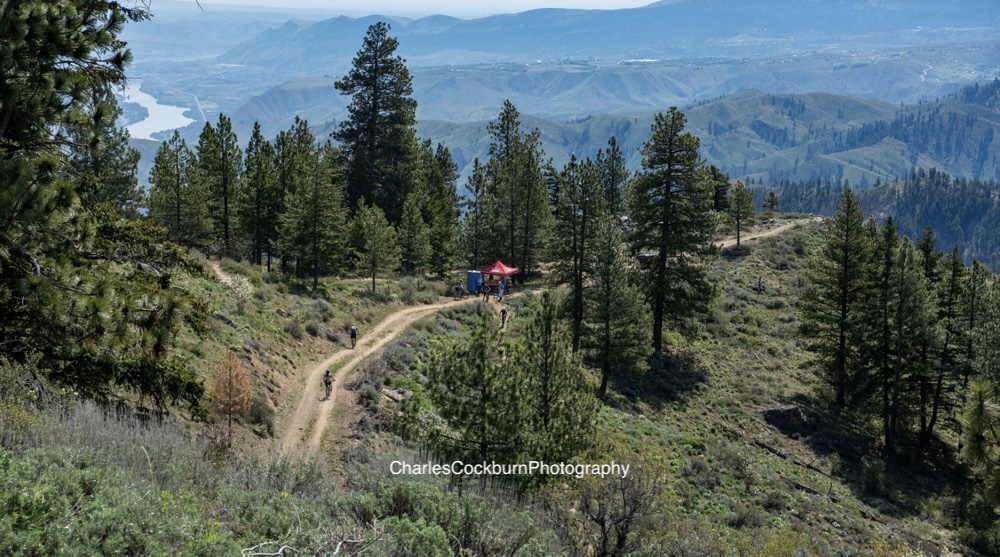
Transitioning from Mountain to Gravel Biking: Key Bike Fit and Equipment Insights with Erik Moen, the Bike PT
As gravel cycling continues to grow, riders from both road and mountain biking are making the jump into gravel. The ability to ride off-road, explore new zones, and maintain fitness seems to be drawing folks in. While there is a lot of crossover between mountain biking and gravel, the physical demands, positional requirements, and equipment choices can vary significantly. In a recent interview with bike fit expert and Physical Therapist Erik Moen (The Bike PT), we explored what riders need to consider when transitioning between mountain and gravel bikes.
Erik reminded us that “when we think about gravel biking compared to average mountain biking, you're spending a lot more time seated.” Mountain biking typically requires frequent out-of-saddle maneuvers, body position changes over obstacles, and active weight shifting. Gravel riding, on the other hand, consists largely of sustained, seated pedaling that can intensify incorrect bike or saddle fit concerns. Here are his top considerations when looking for your next gravel bike:
Flat Bars to Drop Bars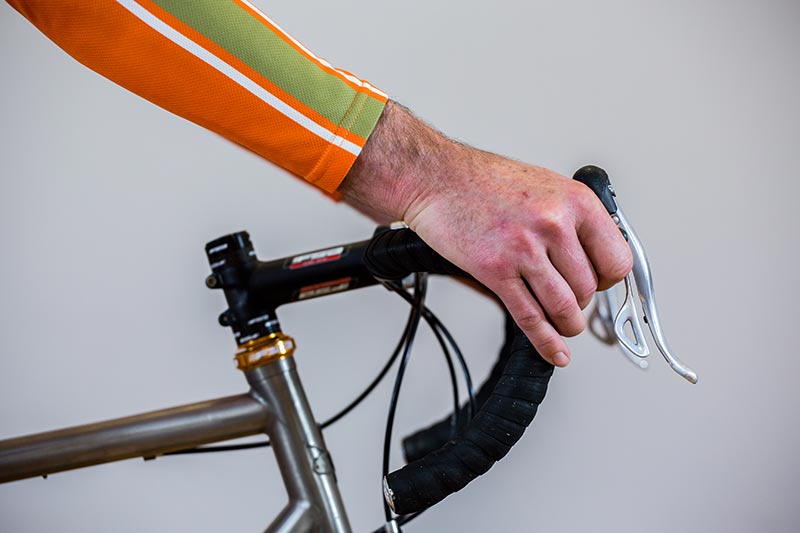
Riders will need to decide their preference between flat vs drop bar bikes. Someone coming from a mountain bike background may feel more comfortable on flat bars, which can offer “an upright, touring feel” but may “restrict hand movement and limit your efficiency on longer rides” says Erik. A drop bar configuration can offer more hand position options that can be helpful for longer days in the saddle.
Bikes that are more trail or gravity focused keep riders upright to maintain stability and front-wheel control over steep terrain. Drop bars and a more forward position, which lowers your trunk and improves aerodynamics, prioritizes endurance and speed.
But adjusting your position isn't as simple as deciding on your priorities and swapping components. Achieving a lower, more aggressive angle requires enhanced hamstring flexibility and gradual physical adaptation over time. Pushing into an aggressive forward-leaning posture too quickly can lead to discomfort or injury. Erik recommends “starting with a slightly higher, more supportive position and incrementally moving lower as flexibility improves” for safe progression.
Suspension vs Rigid Bikes
While most modern mountain bikes feature front or dual suspension, standard gravel bikes are fully rigid. Moving from a plush dual-suspension setup to a rigid gravel rig can be a shock to the system. Depending on your injury history, physical condition, and preferred terrain, incorporating subtle suspension elements into your gravel setup can make a huge difference.
Some things you might want to consider would be small suspension additions (seatposts, stem suspension, or even a smaller travel front suspension fork). Choosing a bike that can accommodate wider tires (over 45mm) can also help cushion the ride and improve traction without sacrificing much pedaling efficiency.
But What About Saddles?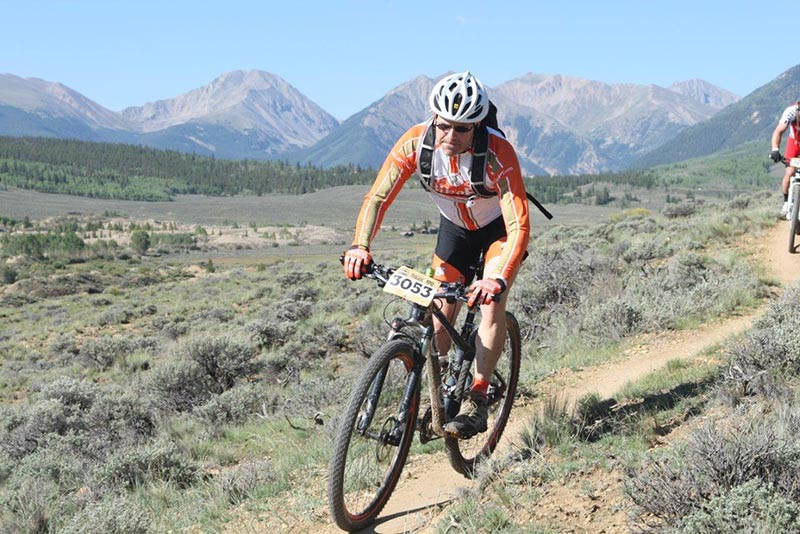
Because gravel bikes lack rear suspension, proper saddle choice becomes paramount. Erik noted how personalized the saddle selection process is, saying that "one person may be like, 'Oh my gosh, this is the best saddle ever.' And then the next person will be like, 'Oh, this is a torture device. How are you doing this to me?'"
Erik recommends several critical considerations for selecting a gravel saddle:
- Saddle Width: Start with measuring your sitbones and search for saddles at the correct width. Avoid saddles that are excessively wide in the middle third, as this can lead to inner thigh and hamstring friction during long pedaling stretches.
- Midline Relief: Cutouts or center channels help relieve soft-tissue pressure, but ensure the edges are smooth to avoid pressure points when moving around on the saddle.
- Saddle Length: While short-nose saddles are trending, traditional length saddles offer valuable proprioceptive cues and balance points when steering through technical off-road sections.
Frame Sizing & Fitting
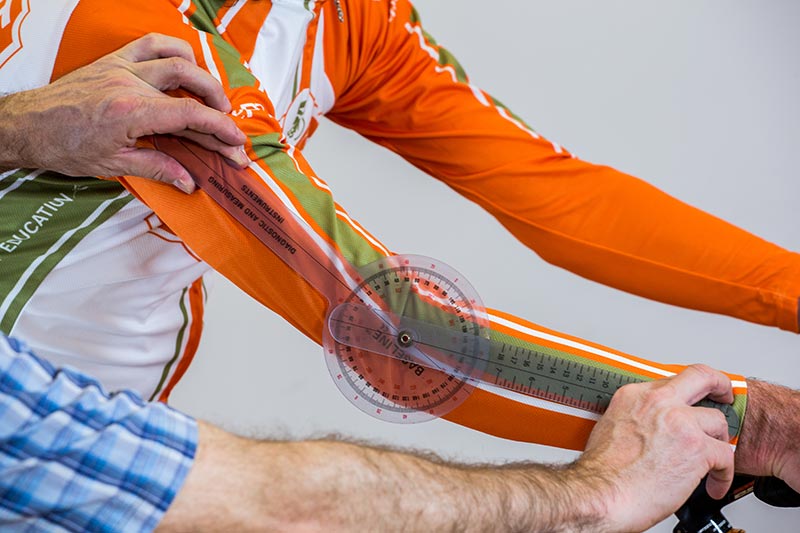
Navigating gravel bike sizes can feel overwhelming. Unlike mountain bikes, which traditionally stick to S/M/L sizing, gravel and road bikes feature more granular options. Choosing the correct frame size is critical, as subtle millimeter-level changes impact your joint loading, neck strain, and overall riding comfort. Erik recommends working with an experienced bike fitter to hone in on your needs. He mentions that a bike fit isn’t a “one and done” type of process. Be prepared to make adjustments over time as you adapt to the bike and as your body changes. “Bike fit is an ongoing dialogue between your body and your machine—be open to re-evaluating your setup as your strength, flexibility, and riding goals evolve” says Erik.
Fitness Considerations
You’ve decided on the bike and started the fitting process. Now is the time to take a structured approach to your pre-season buildup. Avoid the approach of drastically increasing distance or intensity without adequate conditioning. Progressively increase training volume and make fit adjustments along the way to minimize injury risk and maximize fun.
Need some help choosing the right bike and getting started in gravel? Reach out to Erik at the Bike PT / Corpore Sano or the Evergreen Education Team about a private lesson.